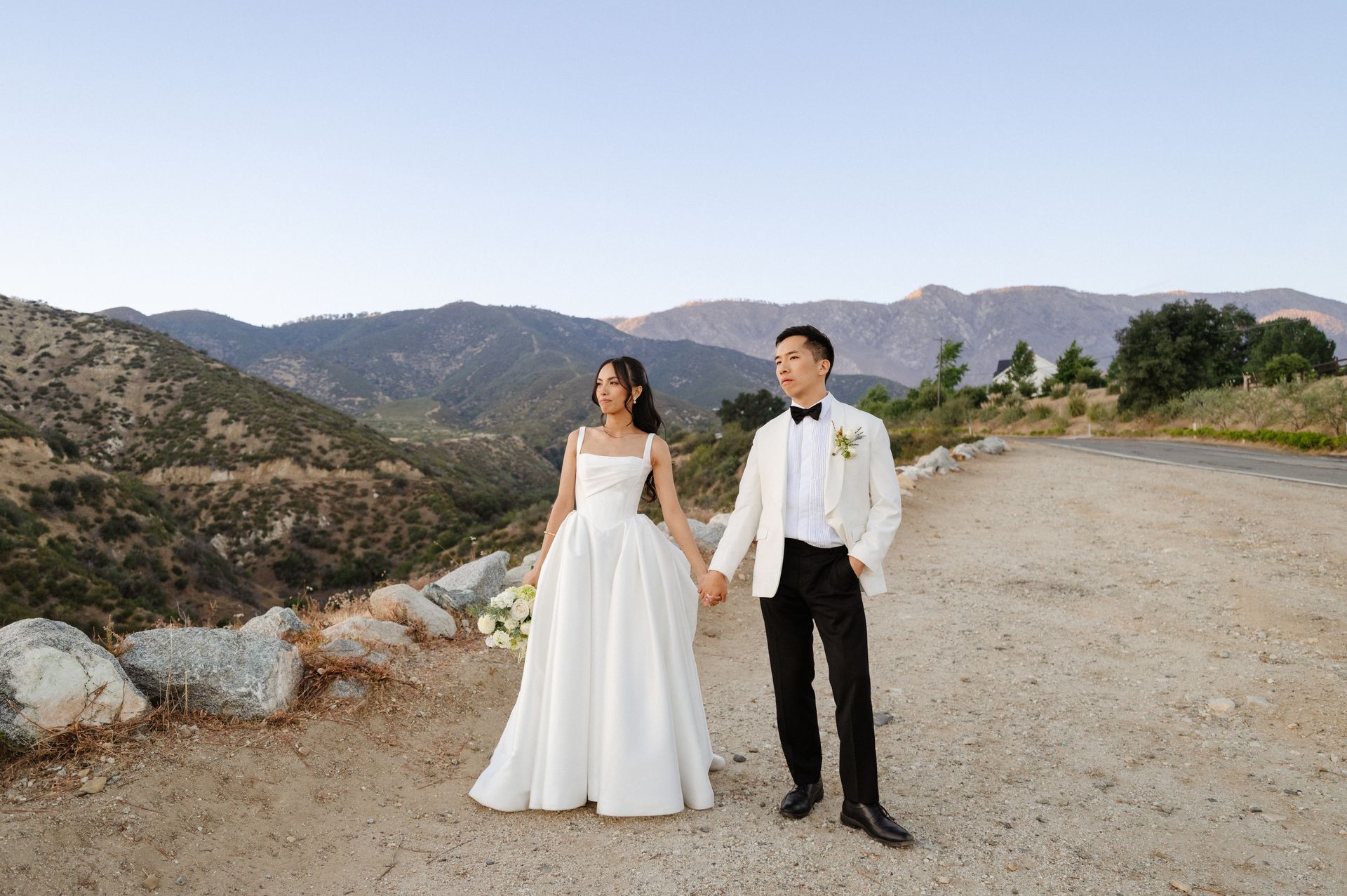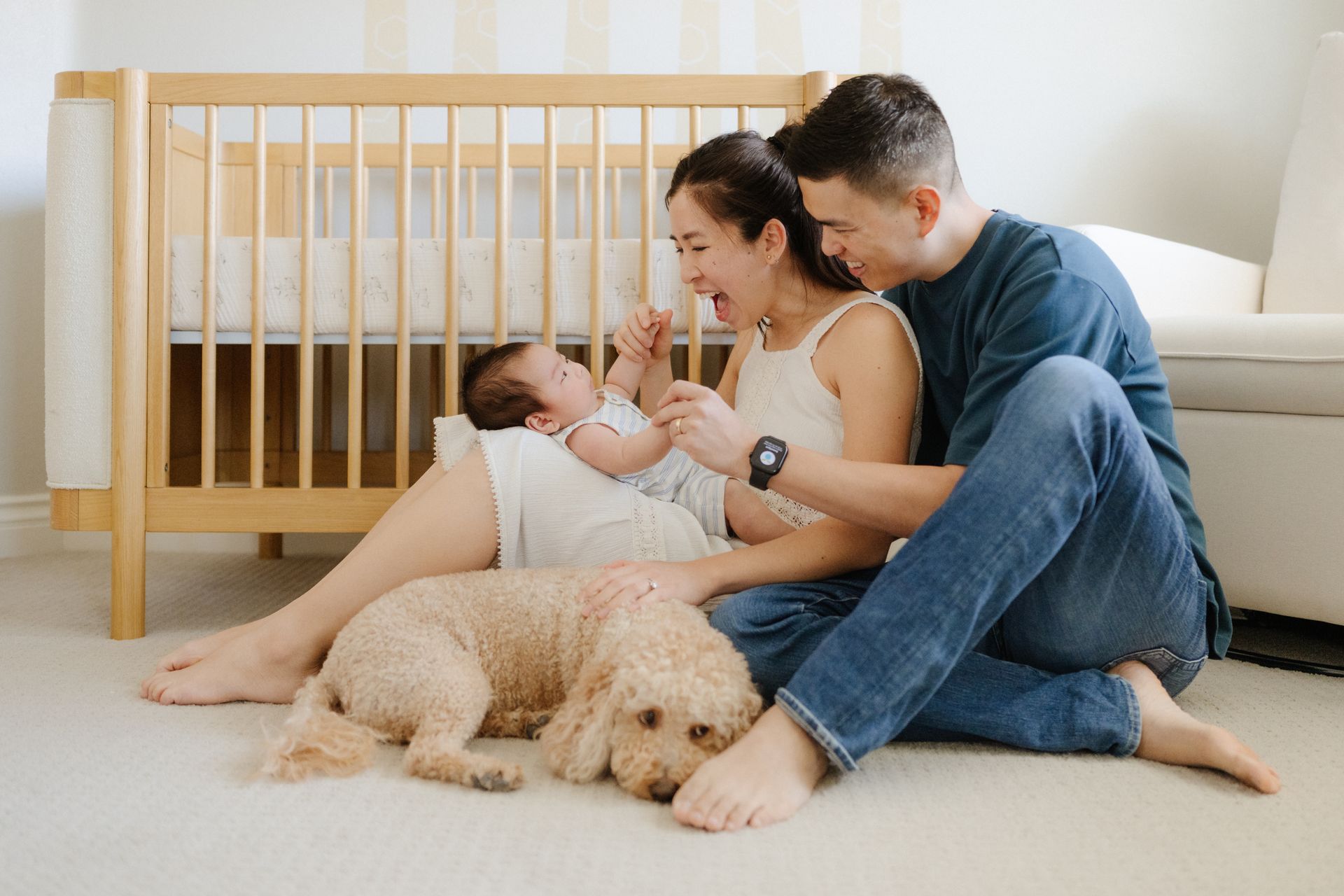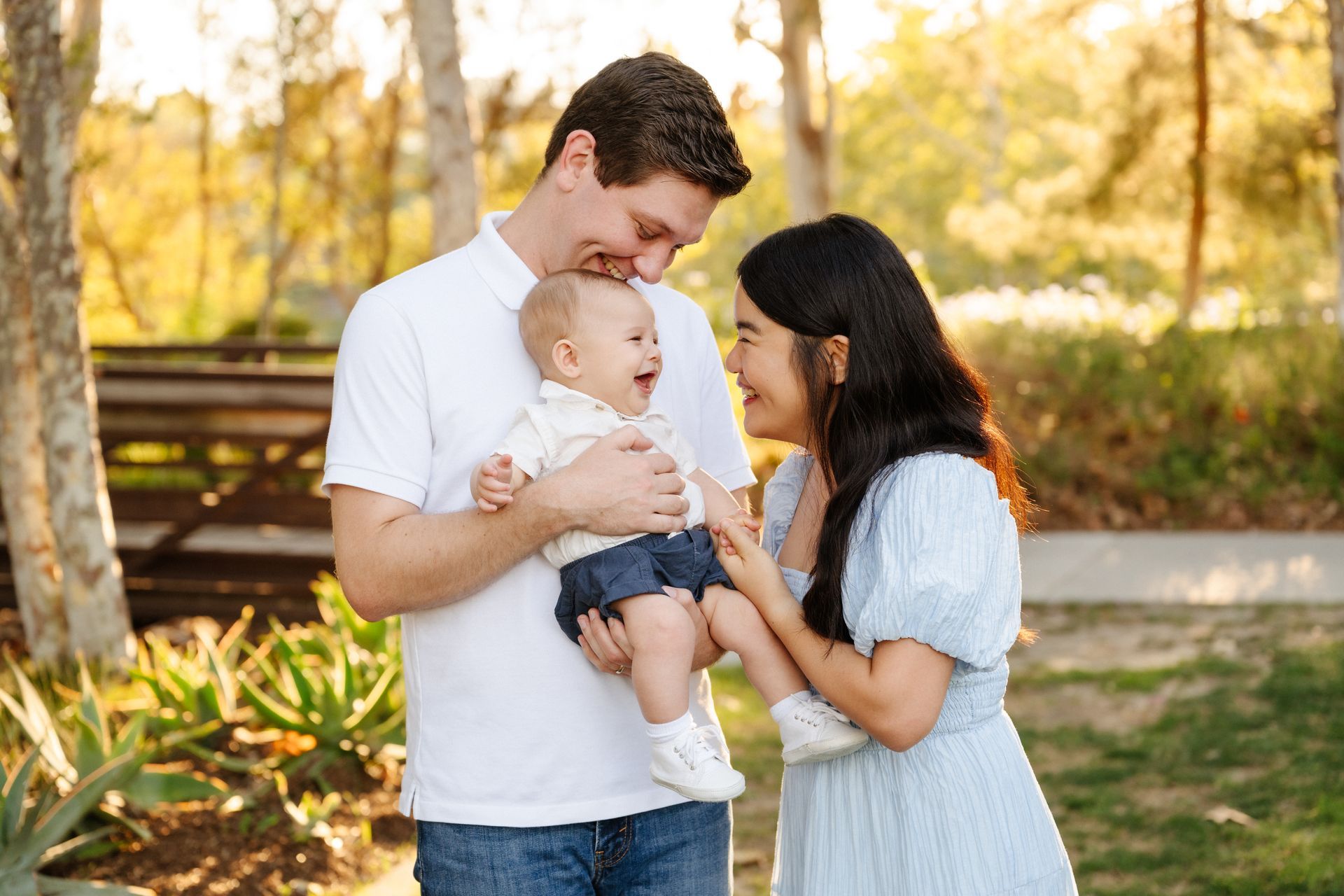

"We edit for the version of you that opens this gallery in twenty years, not for a look that might be rewarding for a season and forgotten after."
Editing is where a photograph either becomes something you'll love in twenty years, or something that quietly announces the year it was taken. We spend more time thinking about restraint here than almost anywhere else in our process.
Our approach starts with a simple discipline: we don't adopt a look because it's popular right now. We wait until something proves itself over time, and only then do we bring it in properly. Film grain is a clear example. Grain has been part of photography's visual language for decades, long before it became a passing trend and long after that trend faded. We didn't add it when it was suddenly everywhere. We added a subtle layer of it recently, once we were confident it wasn't a moment but a texture worth keeping, the kind that adds quiet authenticity rather than a filter effect.
That same patience shapes how we handle color and light. Many photographers crush the top of the highlight curve to manufacture a vintage, filmic look, flattening the brightest parts of an image to fake the limitations of expired film stock. We do the opposite. With HDR screens now standard on most phones and monitors, we work to preserve as much real dynamic range as an image allows, so a photograph looks as luminous on the screen you view it on today as it will on whatever comes next. Color stays natural and bright, closer to how you actually remember the moment than to a preset. Skin tones stay true. Nothing gets pushed toward a trend that will date the image later. For couples who book both photo and video, this color language carries through your video as well, so your gallery and your videos feel like one continuous memory rather than two different products edited by two different standards.
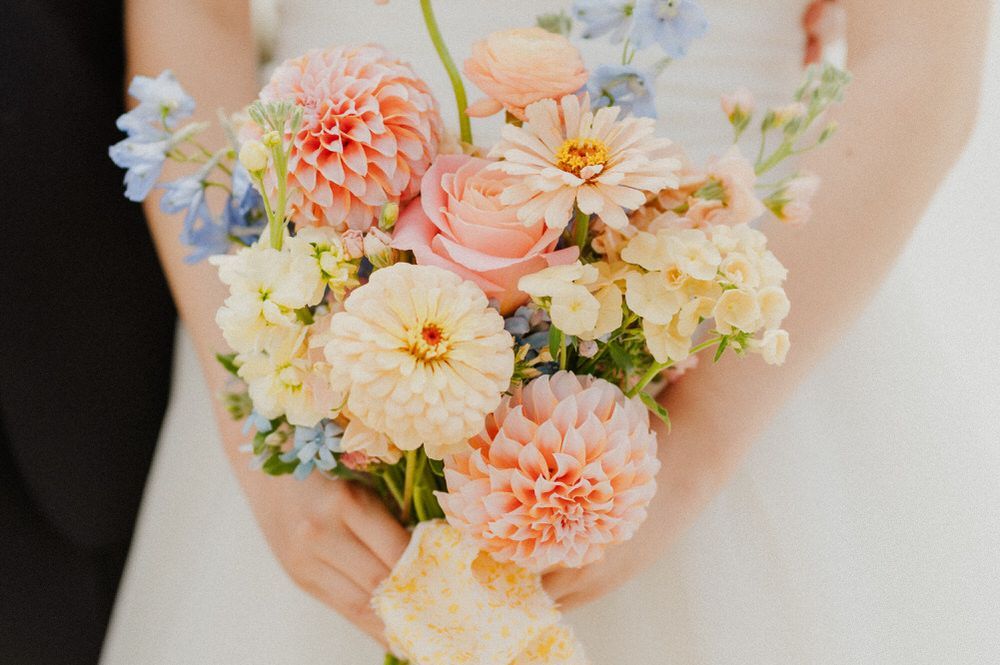
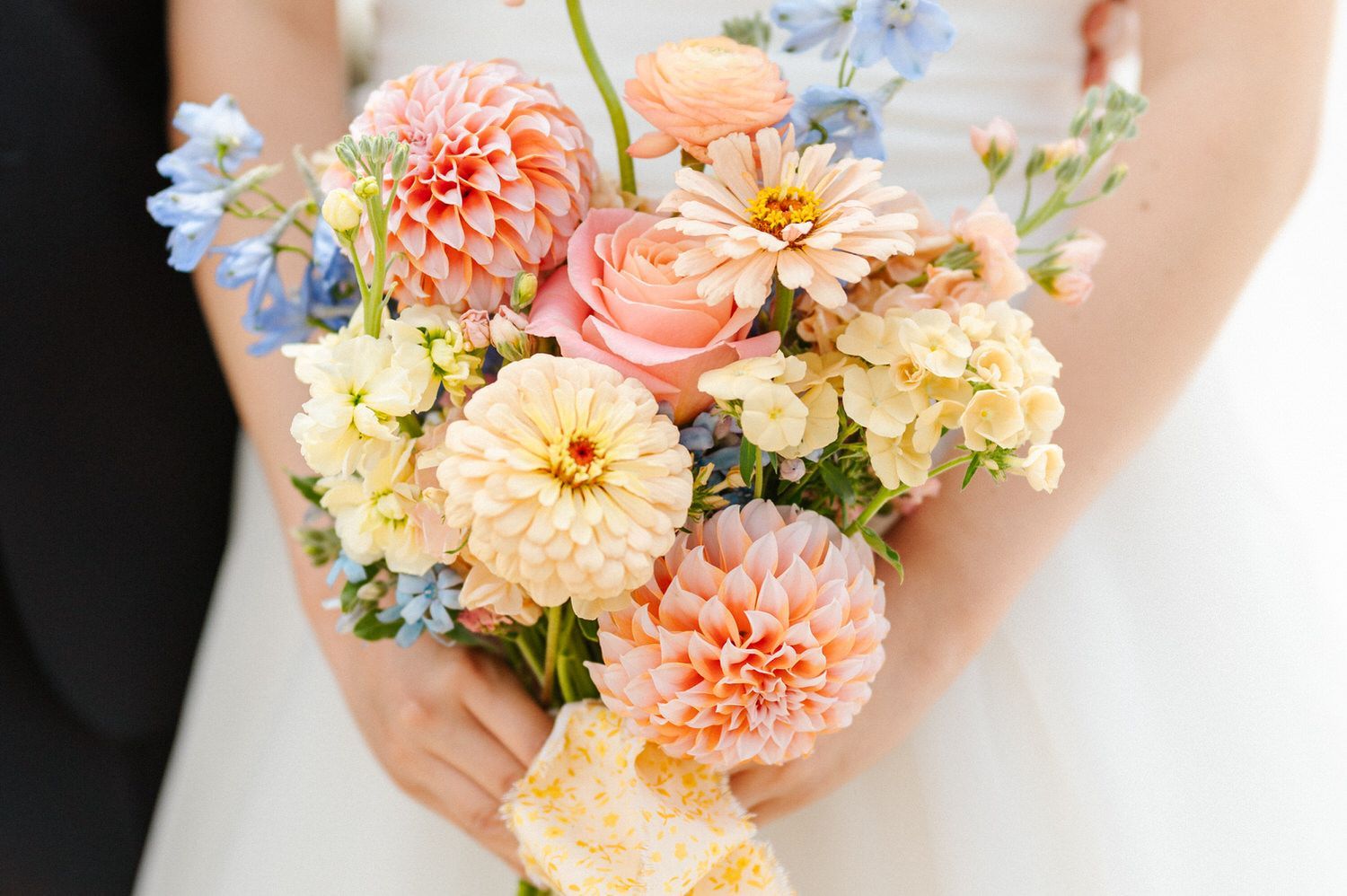
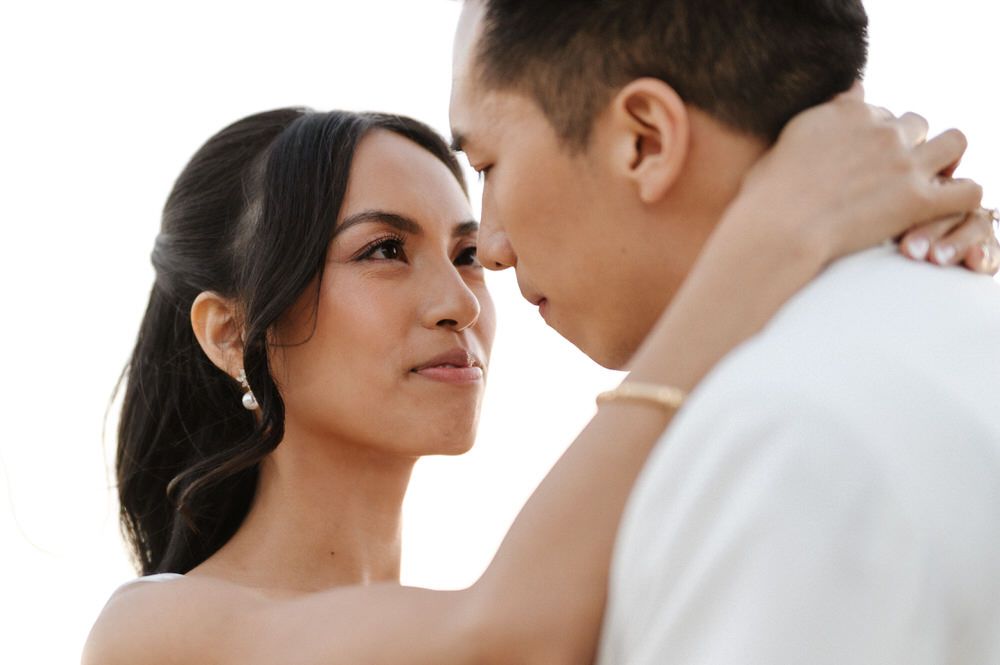
The same philosophy carries into cropping and retouching. If something at the edge of a frame pulls attention away from what matters, a stray sign, a cluttered background, an object that doesn't belong, we remove it with intention, not to tighten the image reflexively but to protect the moment at its center. Sometimes that means cropping in tight enough to lose the very top of a head, on purpose. If your foreheads are touching, we want you to remember exactly how close you felt in that moment, so we crop in until it's just the two of you and that closeness, nothing else competing for the frame. It reads as candid rather than formal, closer to how the moment actually felt than to a posed portrait. We also leave room to breathe where a photo calls for it: space around a subject rather than filling every inch of the frame, the same instinct toward restraint that shapes everything else we build, on the page and in the gallery.
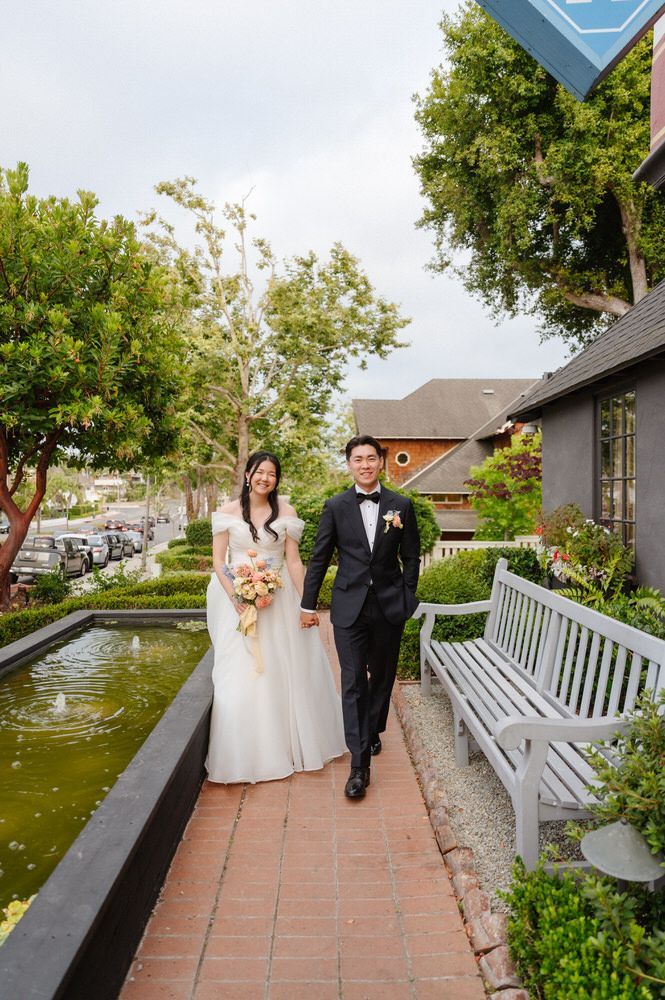
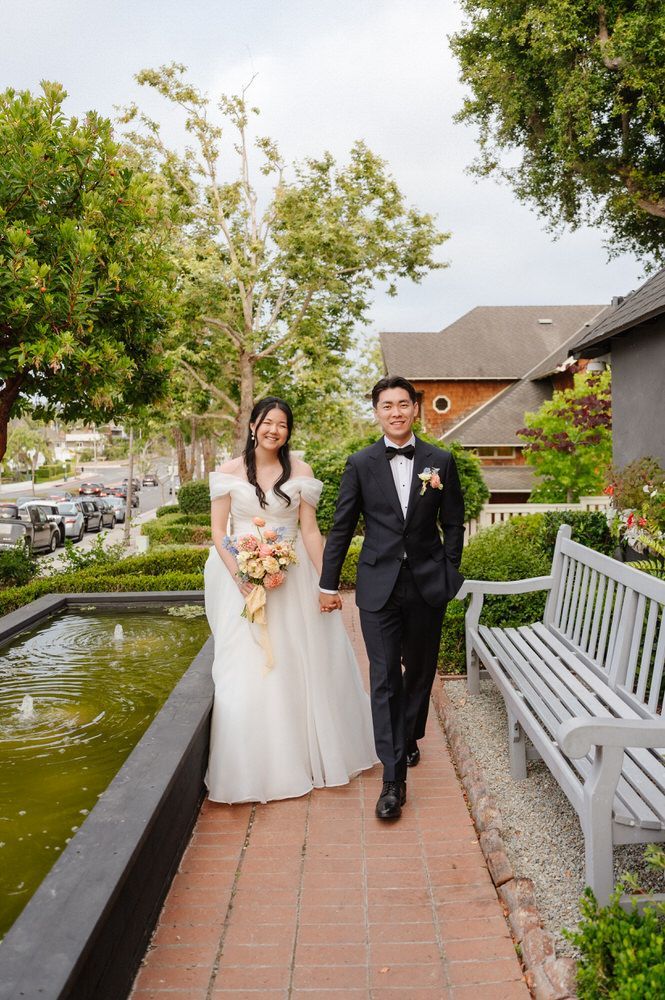
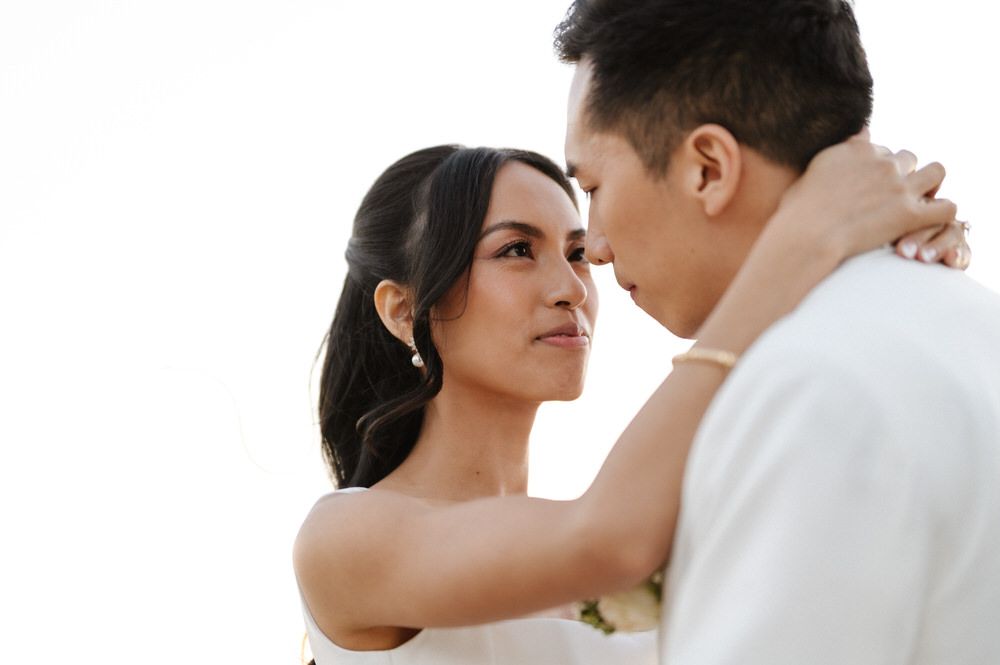
None of these choices are dramatic on their own. A little less crushed shadow, a touch more highlight detail, a cleaner edge. But together, they're the difference between a photograph that feels like a moment in time and one that quietly dates itself to a specific year. We edit for the version of you that opens this gallery in twenty years, not for a look that might be rewarding for a season and forgotten after.