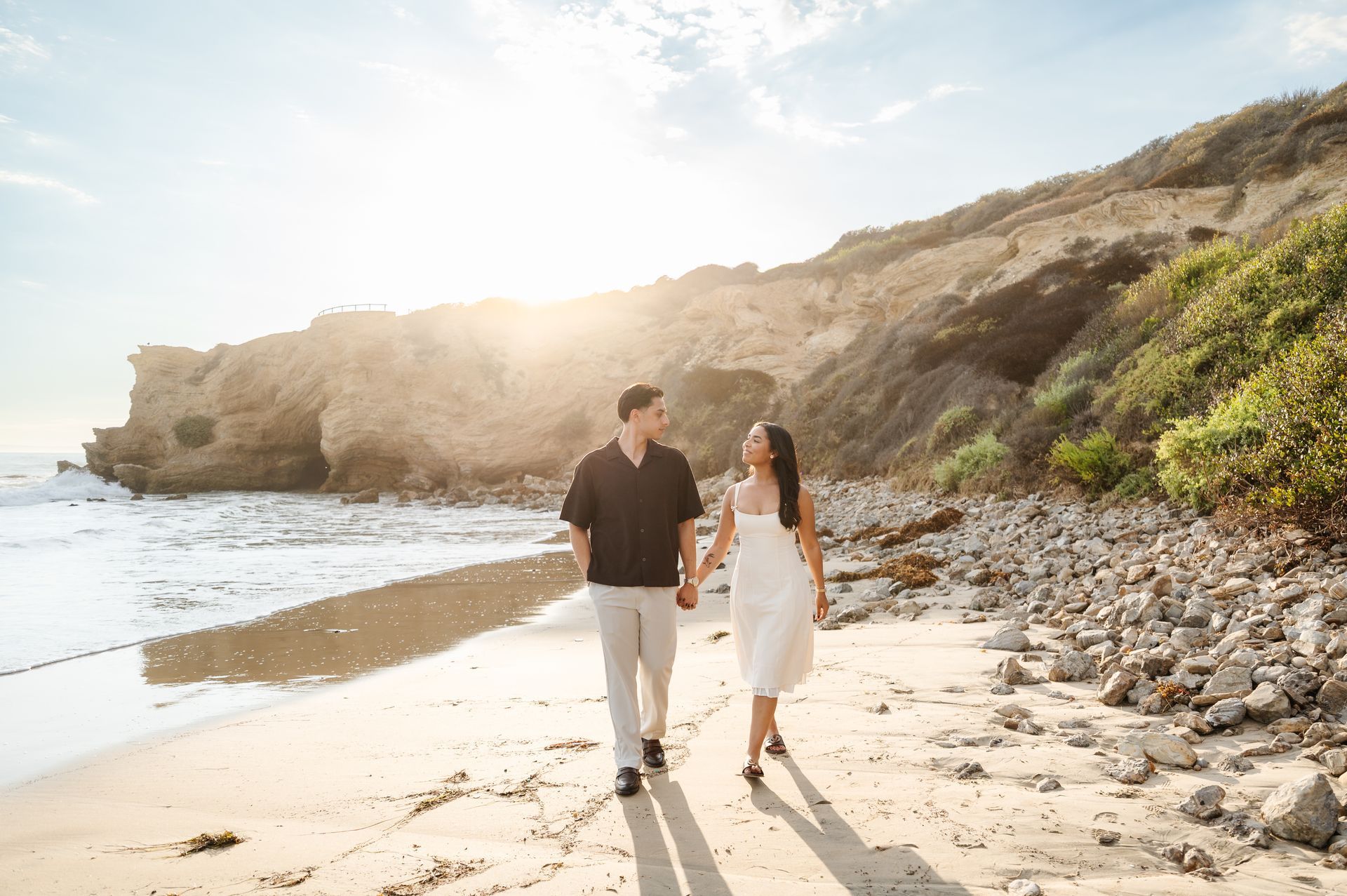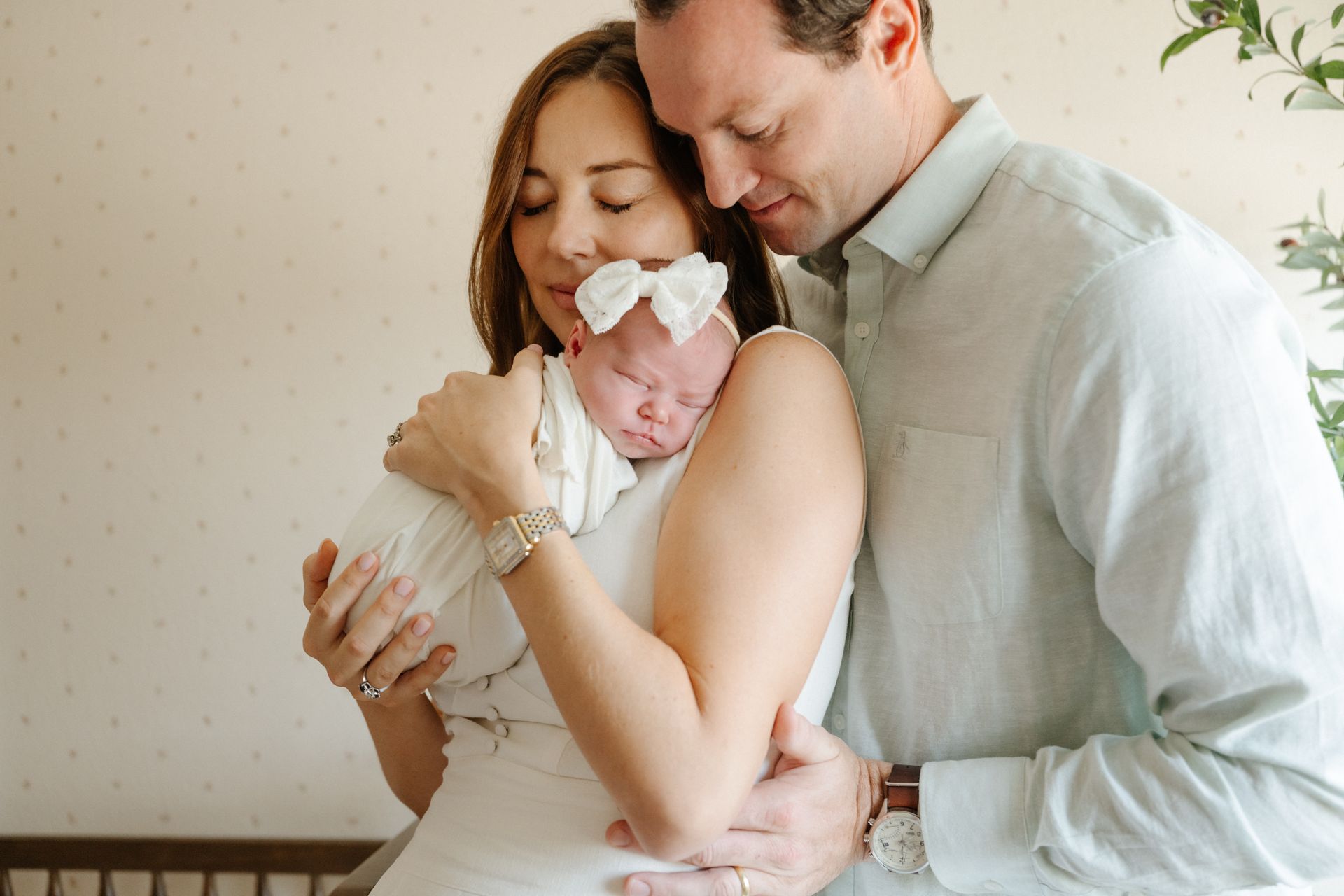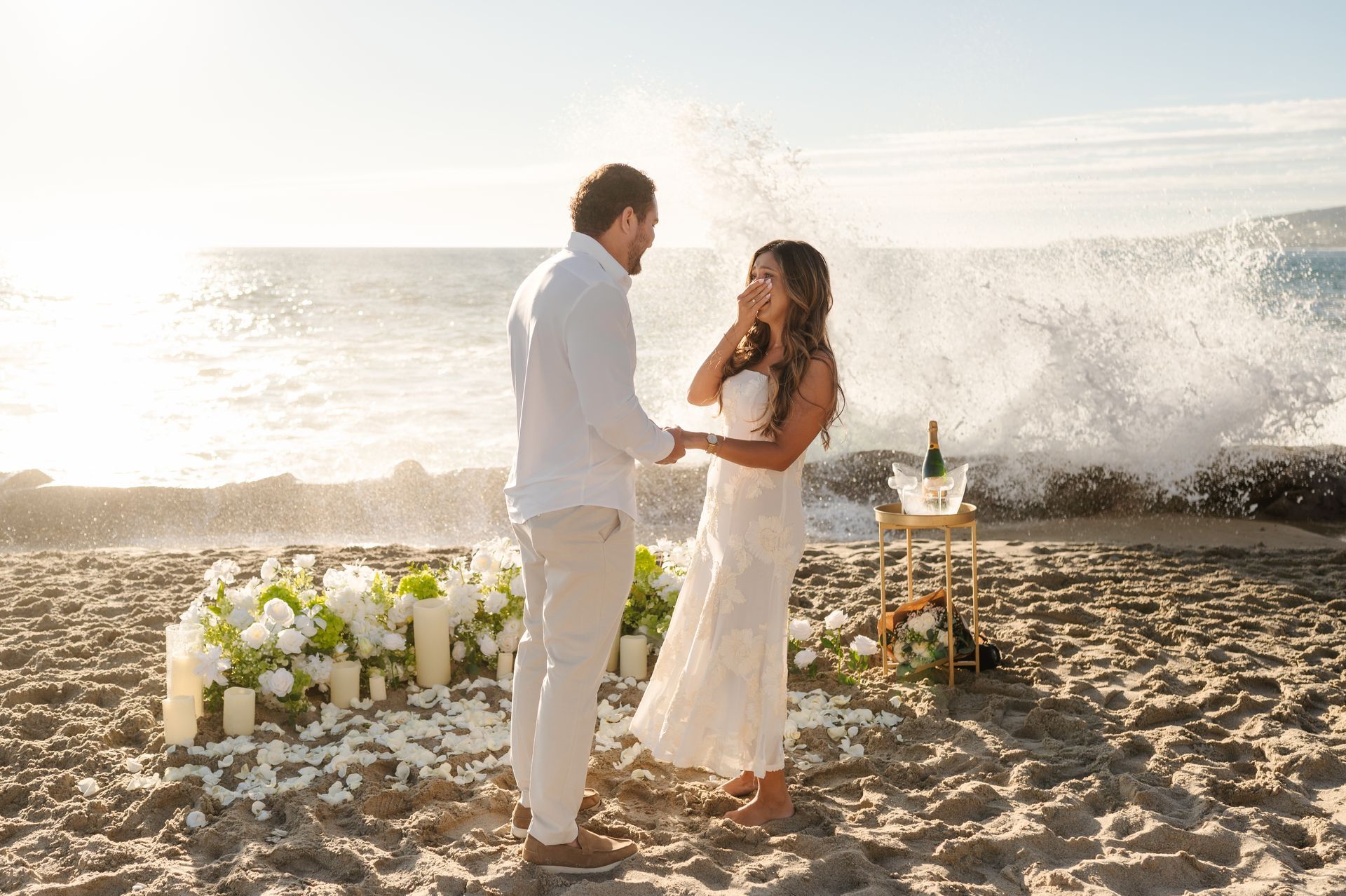

"An heirloom isn't a hard drive of five hundred images. It's a curated, physical thing: an album, a set of prints, something that can be held."
Heirloom photography is images made with the expectation that they'll outlive the moment they capture, and often the people in them.
Most photography today is made to be seen once, on a phone screen, and then forgotten into a camera roll. Heirloom photography works against that. It's shot, edited, and delivered with permanence in mind: color grading that won't feel dated in twenty years, composition that holds up printed large, and a level of care that treats the image as something that will eventually be handled, not just viewed.
The distinction matters most for the moments that define a family's history. A wedding day. The first weeks with a newborn. A maternity session in the final months before everything changes. These are the images that tend to end up framed, printed into albums, or passed down, and the difference between a file that sits unopened and one that becomes a family heirloom often comes down to intention at the time it was made.
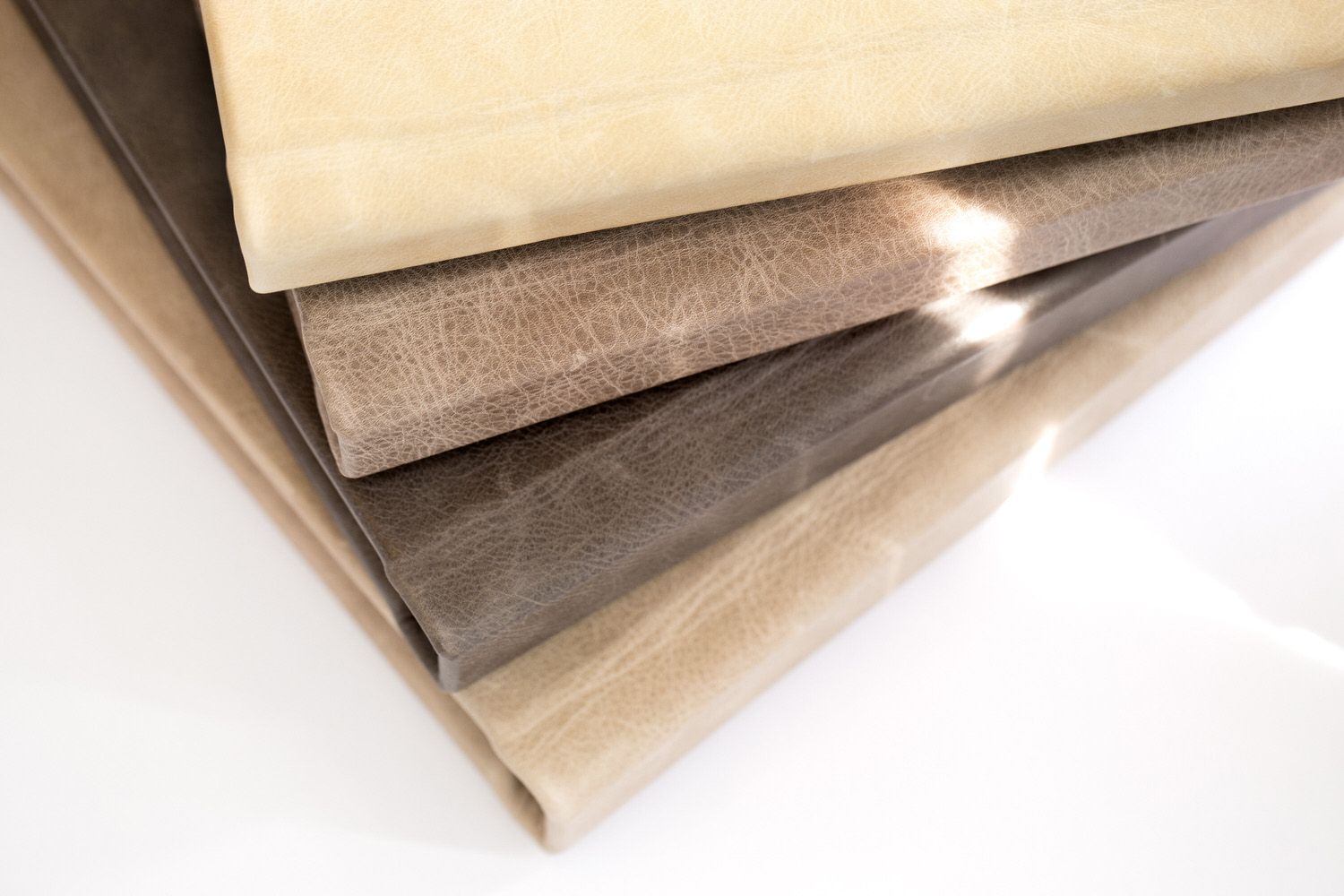
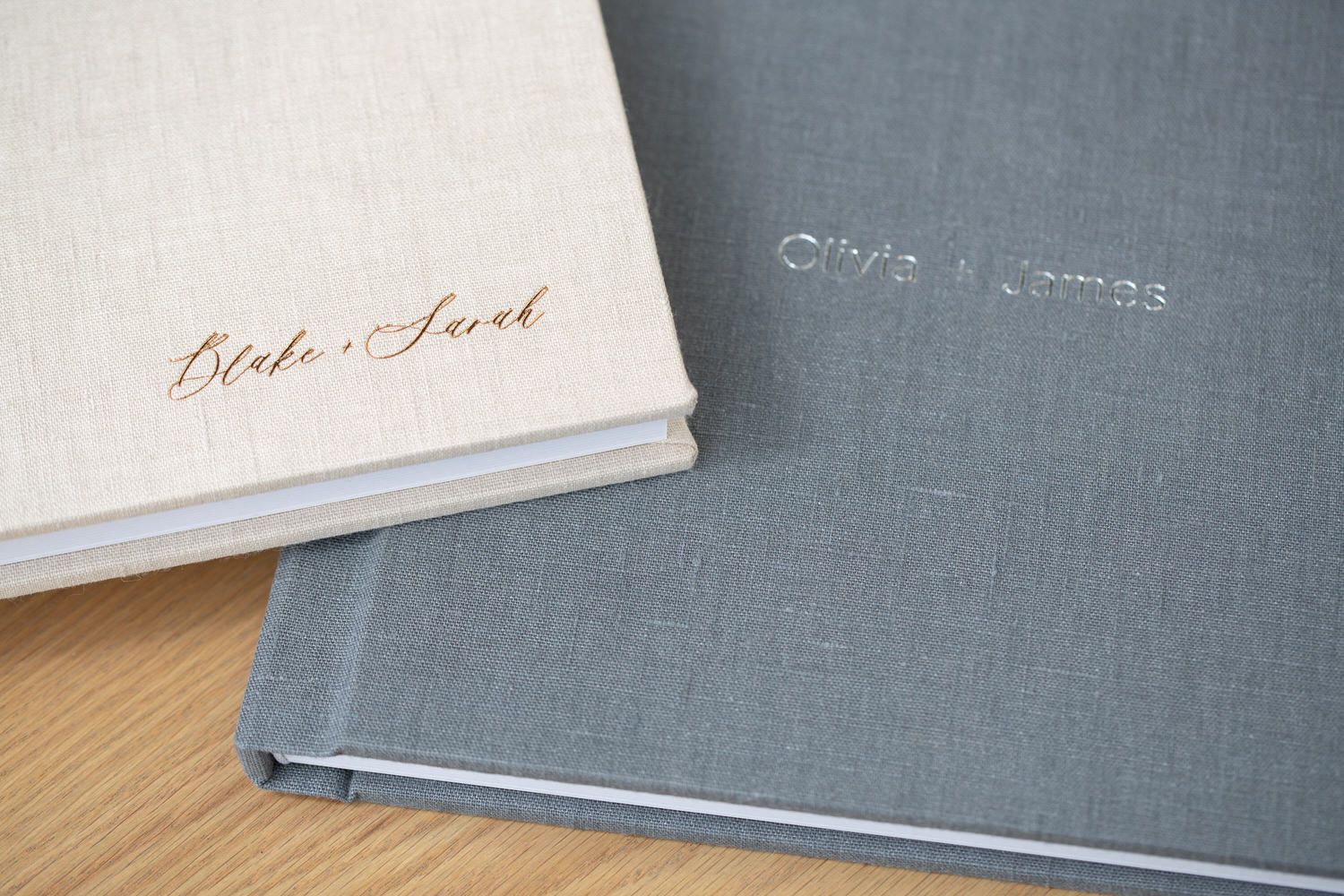
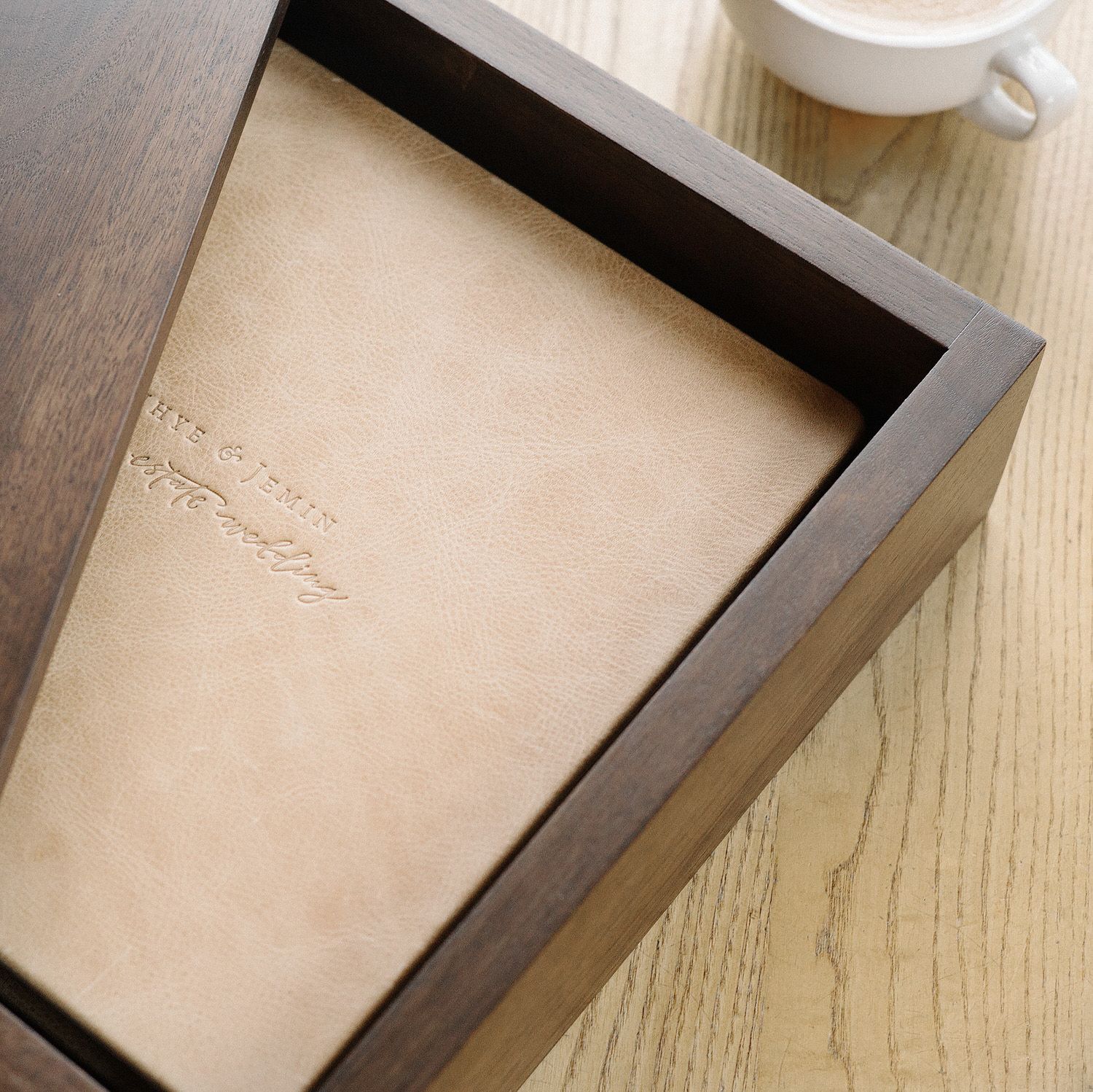
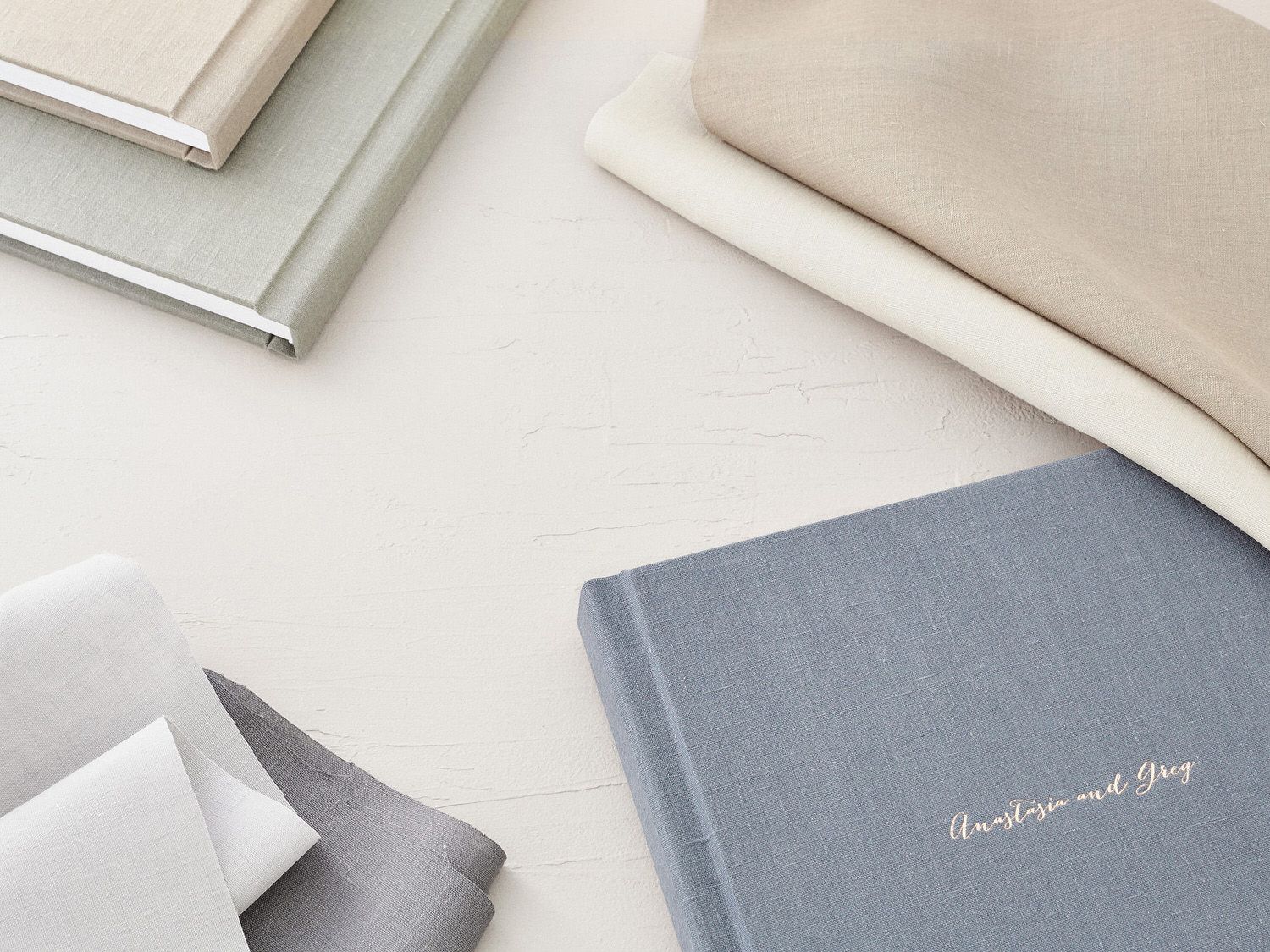
That intention shows up in small decisions: shooting in a way that ages well rather than chasing a trend, choosing locations and light that will still feel meaningful in a decade, and delivering a gallery built to be printed, not just posted. It also shows up in the final product itself. An heirloom isn't a hard drive of five hundred images. It's a curated, physical thing: an album, a set of prints, something that can be held.
Framed this way, heirloom photography isn't a style choice. It's a different set of priorities: fewer, more intentional images over volume, permanence over trend, and a final product built for the people who haven't been born yet as much as for the ones standing in front of the camera today.